Crinoline

Everyday Life, Fashion

Crinolines šŸ’ƒ were hugely popular in the second half of the 19th century, since their fairly light construction allowed women to play with fashion and big dress shapes without the need to carry the weight of several petticoats (as it was done earlier). This vast popularity of crinolines among women of all classes led to coining the word ‘crinolinemania’ and numerous caricatures in the media.

And while there were some hazards 😱 connected with wearing crinolines, especially in factories or near an open fireĀ šŸ”„, they were definitely great at providing some personal spaceĀ šŸ˜Ž

Mad as a Hatter

Everyday Life, Medicine

Erethism, more commonly known as mad hatter disease, šŸŽ© is caused by mercury poisoning and can cause a variety of symptoms including tremors, timidness, anxiety, and even hallucinations. šŸ§šā€ā™€ļøIt was quite common among hat-makers as they were exposed to mercury used in the manufacturing of felt hats.

Even though the Hatter from Alice’s Adventures in WonderlandĀ šŸ›doesn’t display all of these symptoms, his creation might have been inspired by erethism. We know that Lewis Carroll’s uncle, Robert Wilfred Skeffington Lutwidge, was a Lunacy Commissioner supervising Pauper Lunatic Asylums. To keep patients busy, these asylums often organized group activities such as … tea parties.Ā šŸ§ā˜•ļø

On a related note, check out this video about the “mad as a hatter” expression šŸ™‚

Wax Noses

Cosmetics, Everyday Life, Medicine

The Edwardian Era brought a new craze in plastic surgery – paraffin wax injections.šŸ•ÆĀ The promise of a perfect nosešŸ‘ƒor chin quickly faded, when it turned out that wax could wander beneath the skin causing infections, blood clots, and even cancer.Ā ā˜ ļø

For reference, I learned about upper class women fixing their wax noses in a great BBC documentary series Blood and Guts (there’s also a book available)Ā 

Mary Shelley

Everyday Life, Famous Victorians, Medicine

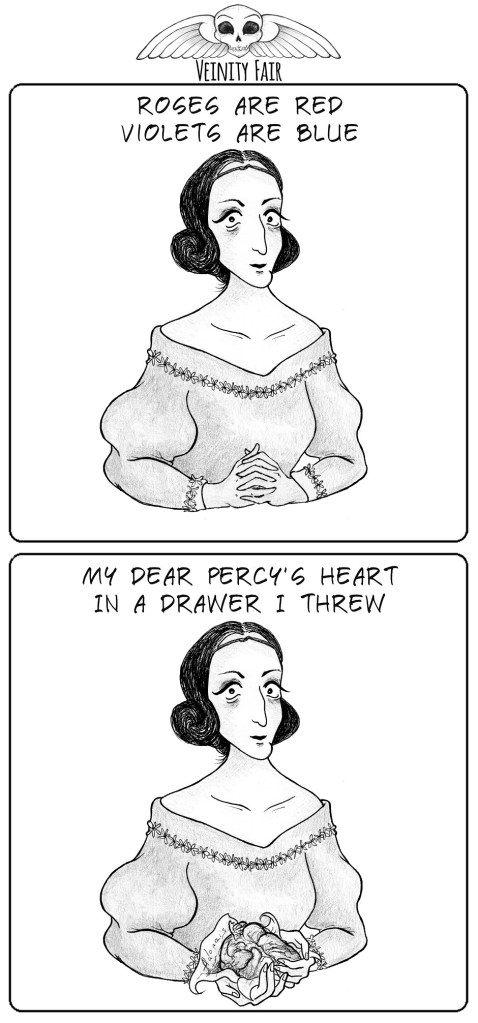
After her husband’s death, Mary Shelley kept his calcified heartĀ šŸ’›Ā in a desk drawer. And even though some modern scholars believe it was just his liver, Mary herself was convinced that she had Percy’s heart. Quite a suitable keepsake for the author of Frankenstein!Ā šŸ§Ÿā€ā™‚ļø

Interesting article on the subject:Ā http://assets.press.princeton.edu/chapters/s7985.pdf

Mole

Everyday Life, Medicine

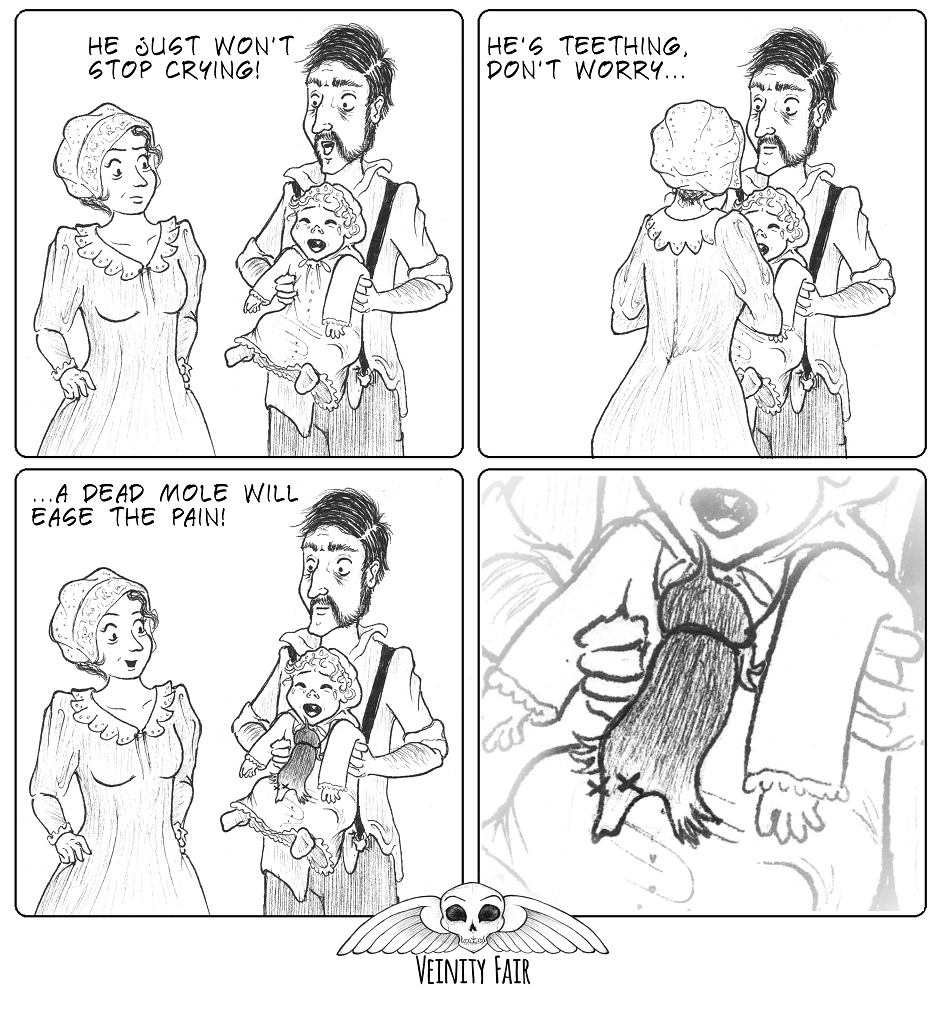
Laudanum 😓, lead 🤪, alcoholĀ šŸ„‚… all your tips under the last post were great! And yet, there is something else you might add to your healing arsenal…Ā ā˜ ļø

“To ease the pain of teething, hang a dead mole around the neck of your baby.” – find even weirder treatments in this handy booklet: Hints on Health from the Victorians.

Phossy Jaw

Cosmetics, Everyday Life

The harrowing conditions in match factories, including the use of highly poisonous ā˜ ļø white phosphorus ā˜ ļø, were not a secret in the Victorian times. However, It was not until the matchgirls’ strike of 1888 šŸ—£ that the situation started to get better.

Find out more about the matchmakers in “Striking a Light: The Bryant and May Matchwomen and their Place in History” (book fragments are available on Google books)

Garrotting Panic

Crime, Everyday Life

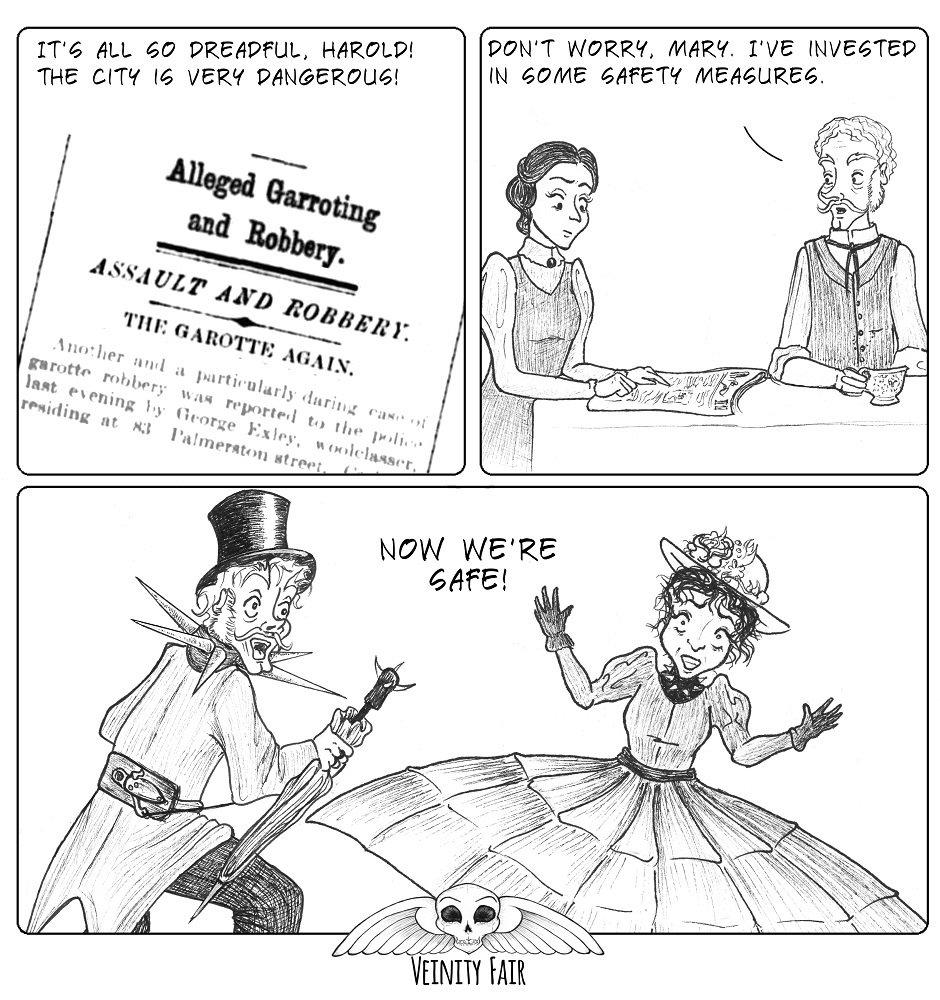
Garrotting panics and hysterias appeared in a few major cities in the mid-19th century. A few creative merchants quickly saw profitable opportunities in the public’s fear…

Here’s a great article on one of such garroting panics: Today I Found Out.

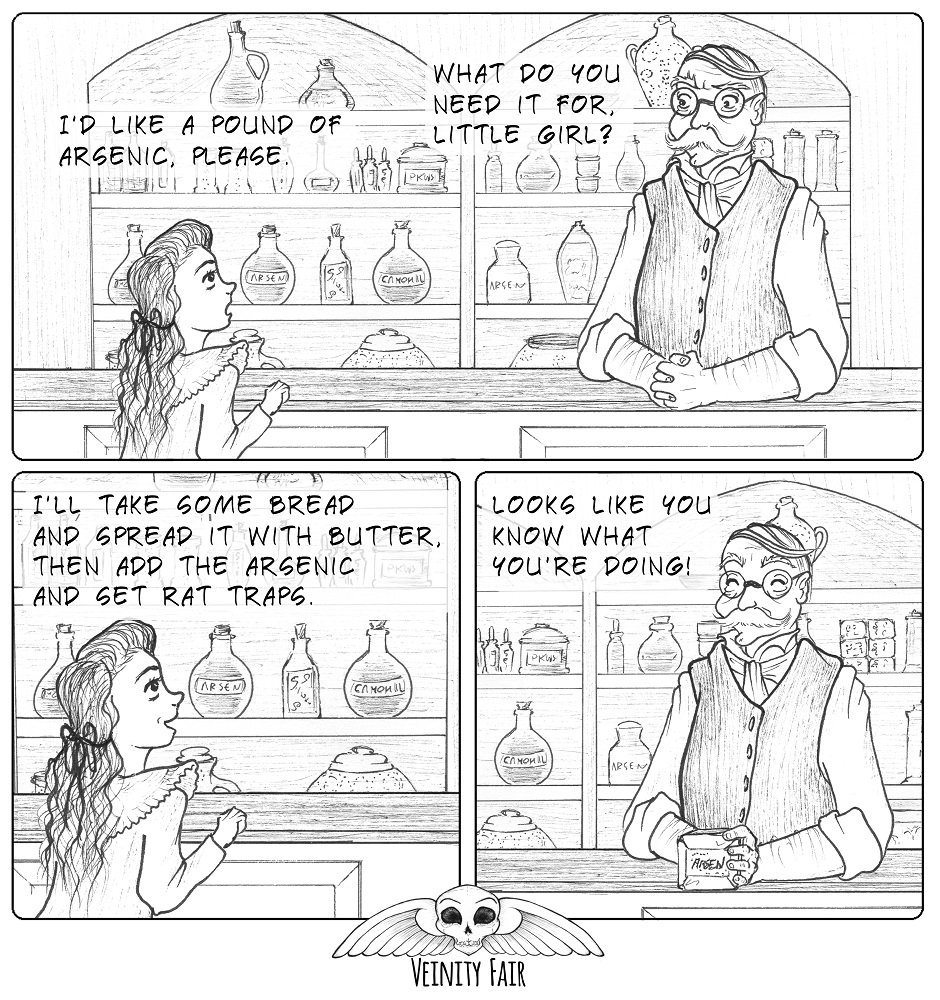
Shopping for Arsenic

Everyday Life, Medicine

There were no regulations on buying and selling arsenic until 1851, and even then it could be relatively easy purchased by anyone who didn’t cause any suspicion.Ā 

You can read more on arsenic and other poisons in The Secret Poisoner: The Victorian Age of Poisoning.